We are on the threshold of winter, but although we had some cold evenings and about 30 ml of rain on the 20th of May, I was still watering the vegetable garden at the end of the month. The pump is not stowed for the winter yet.
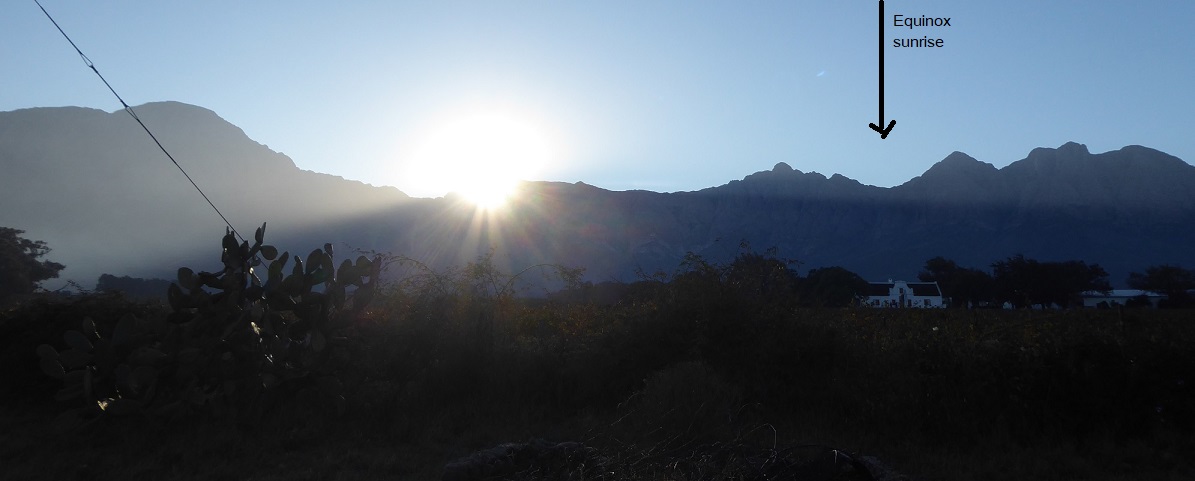
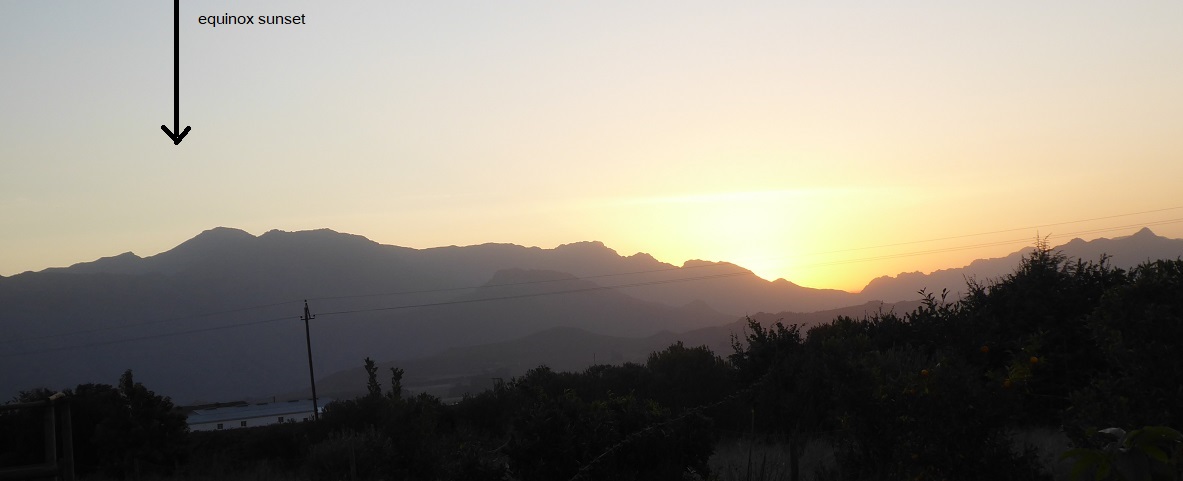
The sun has moved almost as far north as it goes and days are shorter with the sun rising after 8:30 and setting before 5:30. Fortunately afternoon sunshine is prolonged as the sun is setting in a gap between two mountain ranges. Many days are sunny and mild, but the dreaded south easter still pounds sometimes and brings a tablecloth of clouds roiling over the mountains.
We hurried to get the roofs painted again in May and in the vineyards the winter work of pruning has begun. The glorious autumn colour of the vine leaves disappears as just the stems and a few shoots are left for next season.
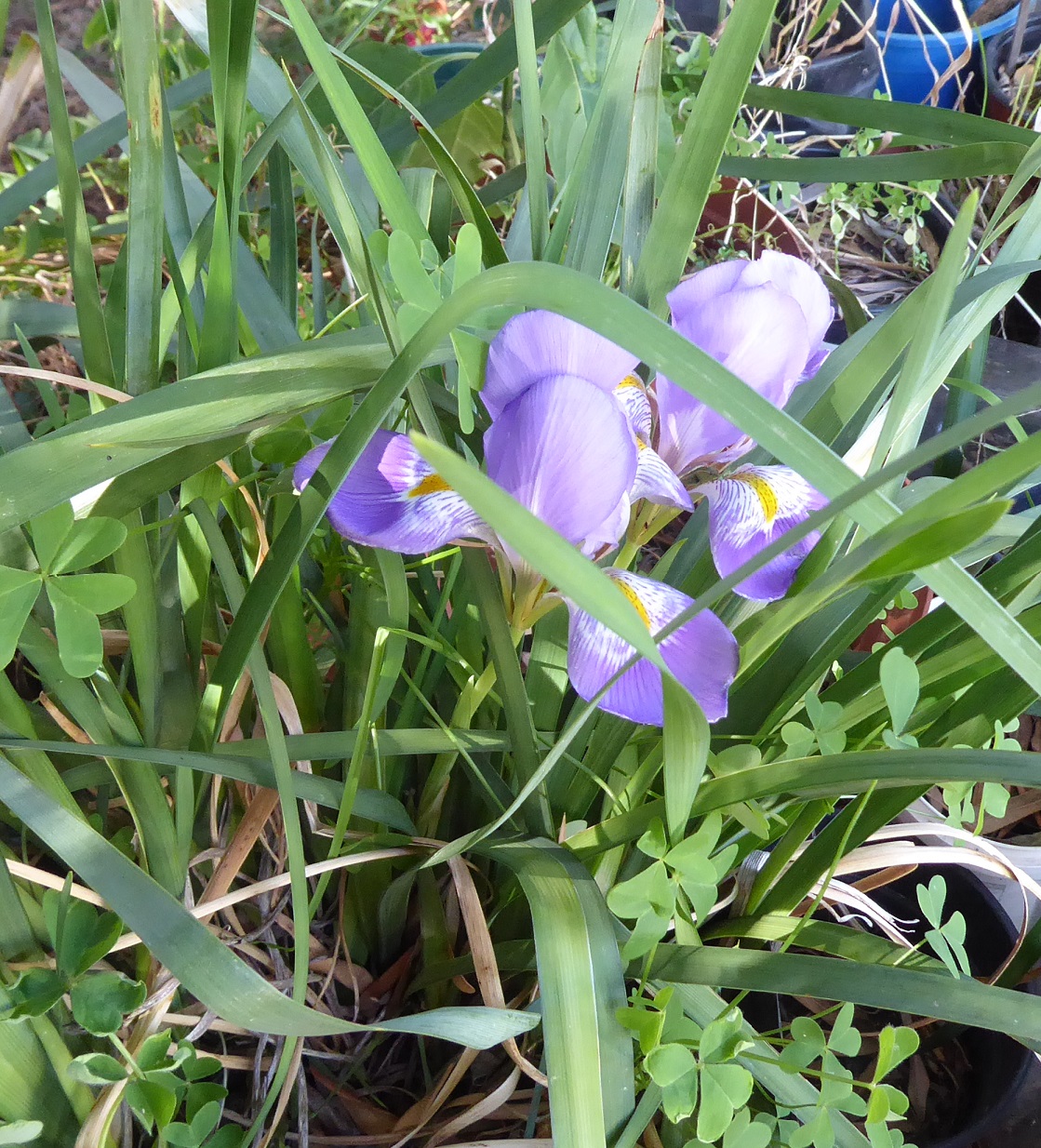
One of the joys of early May was the Algerian iris (Iris unguicularis). Despite its common name the distribution of this iris is listed by Wikipedia as Greece, Turkey, Western Syria and Tunisia. The exquisite lilac blue flowers marked with white nestle between its strap shaped dark green leaves. It is not commonly grown at the Cape but I have seen it growing happily in a neglected garden in the sandveld where it had hot sun in summer and almost no sun in winter. I was lucky enough to find some plants in a nursery in Montagu but am still trying to find the perfect place for it in my garden.
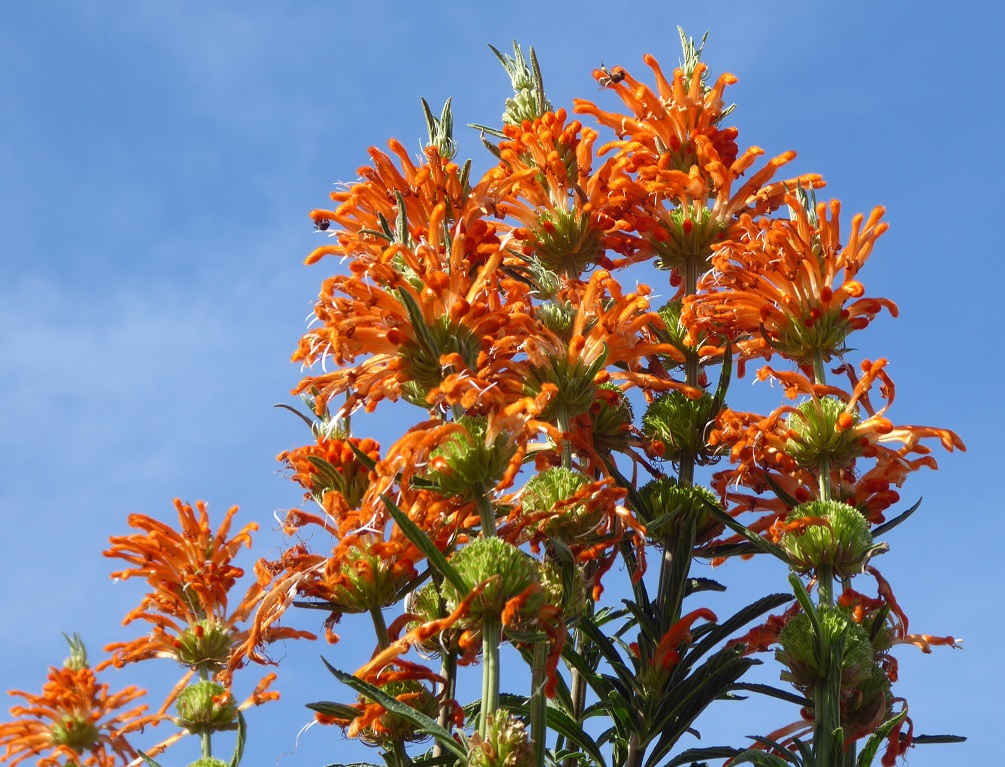
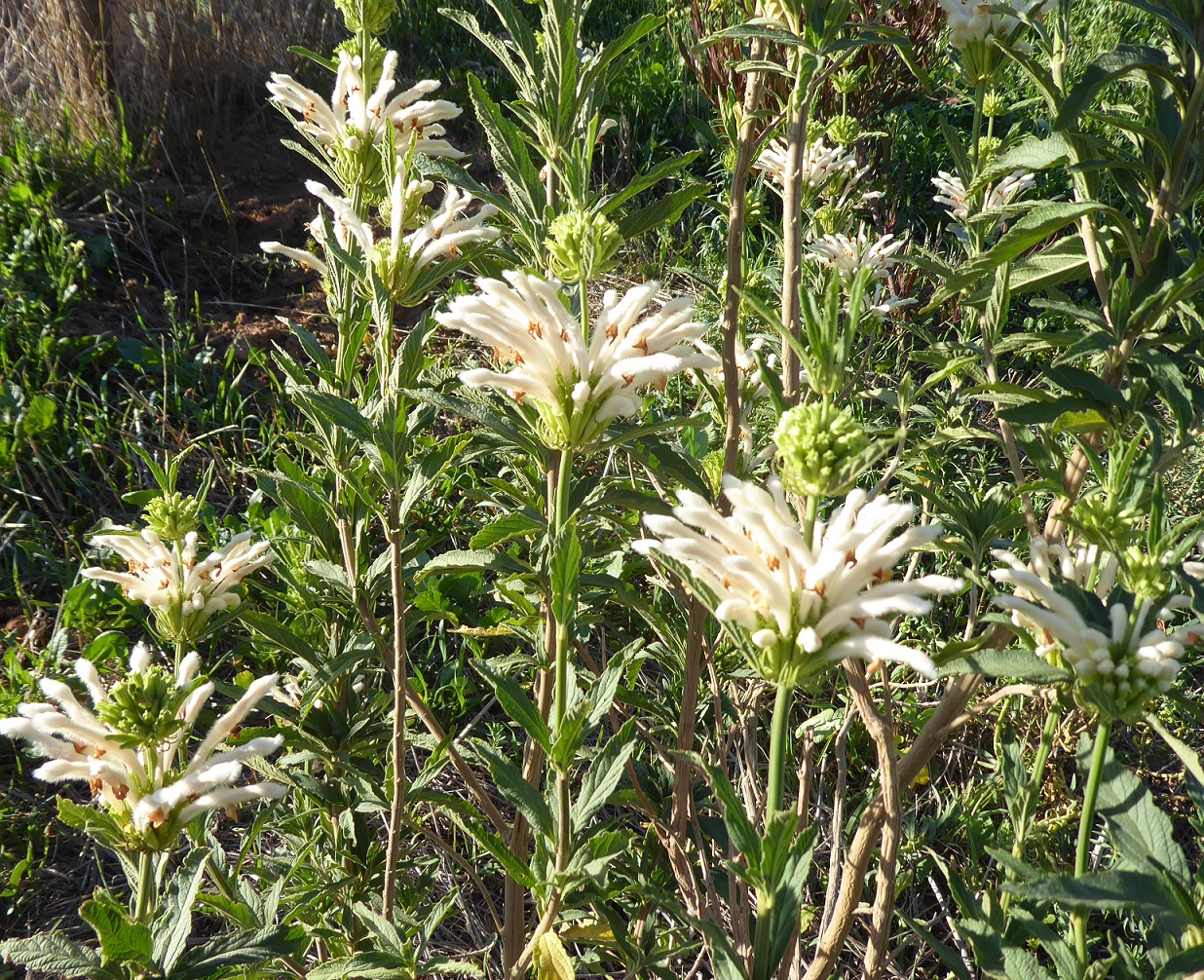
Another joy this month has been Leonurus leonotis or wild dagga. The sunbirds love this plant and the gay orange flowers against a blue sky are very cheering. I have an enormous old bush which has been in the garden for about 15 years. I also have a white form which I plan to plant next to a cypress and have just acquired the rusty, biscuit coloured one which is a subtle mix of the two. They survive conditions here at KSU, not needing much water in summer, and I like the aromatic fragrance the leaves give off on hot days and when they are crushed. I believe they have medicinal properties too.
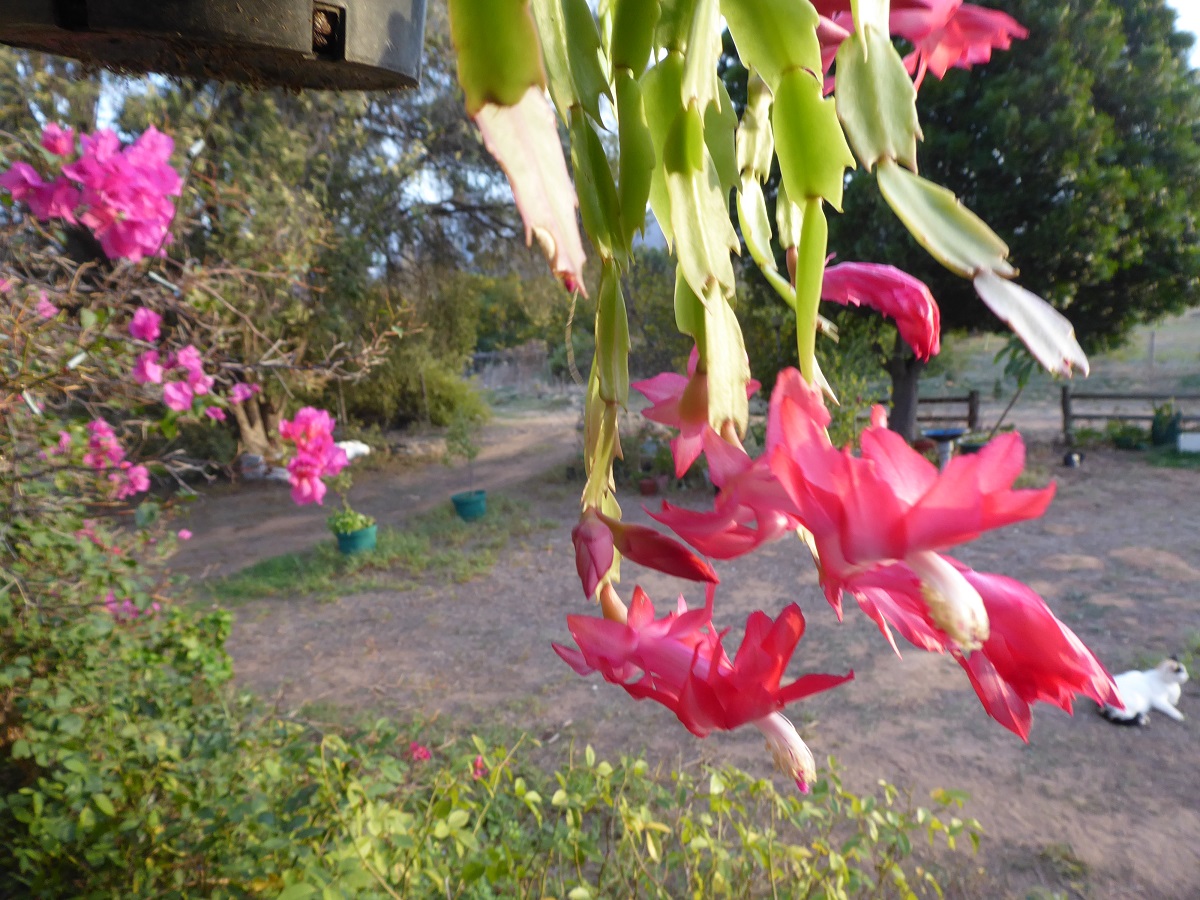
Growing in pots at the edge of the stoep we have some cacti. I am not sure of the names but one decided to flower for us this month. I think it is a form of the Easter cactus (Schlumbergera sp.) The pink flowers were a delight, toning with the nearby bougainvillea.
Nuts and citrus
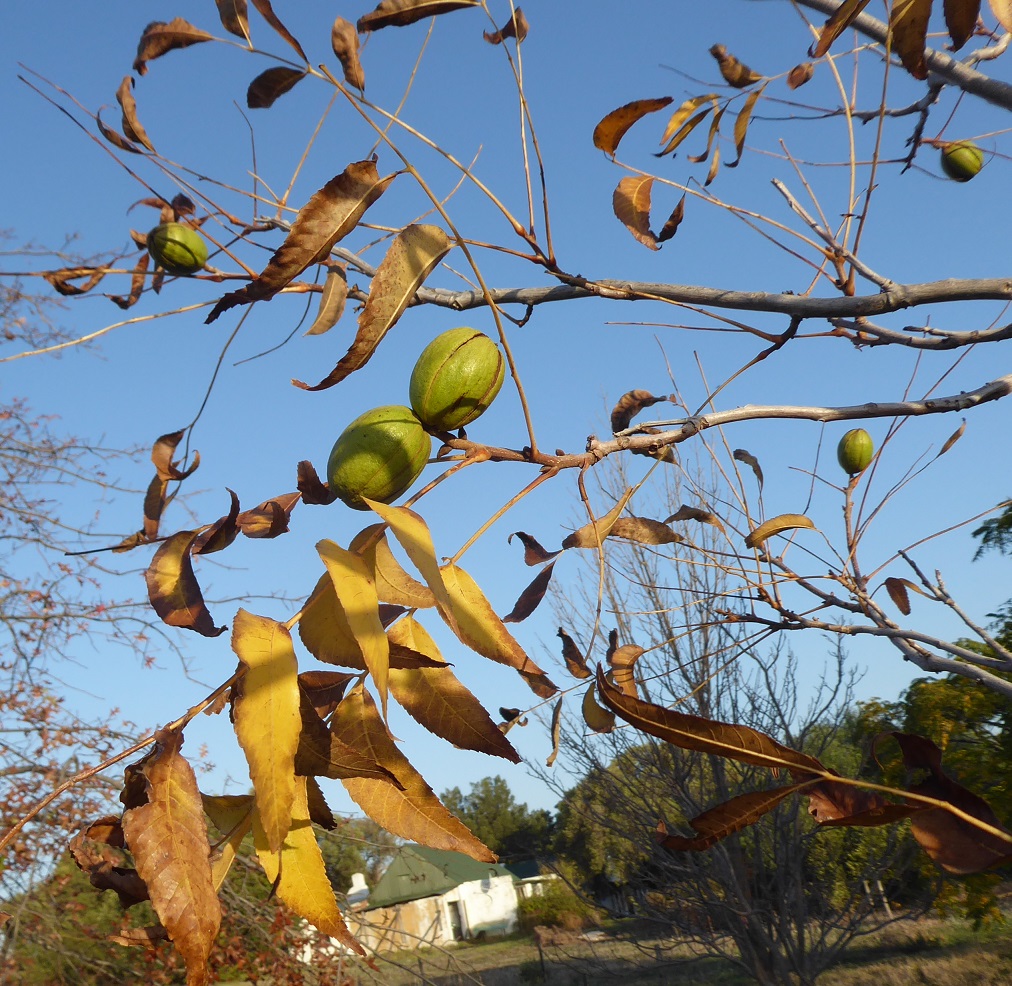
Pecans and macadamias ripen now in May. Sadly most of my macadamias were stolen but I have been able to harvest most of the pecans from my 3 small trees. Although they have been in almost 15 years, they are not big. I am not too upset about the macadamias as I find it almost impossible to open the nuts. Even bashing them with a hammer is tricky as they are round and skitter away. Both nuts are delicious and we look forward to nibbling them on winter evenings, along with the almonds which we harvested in January.
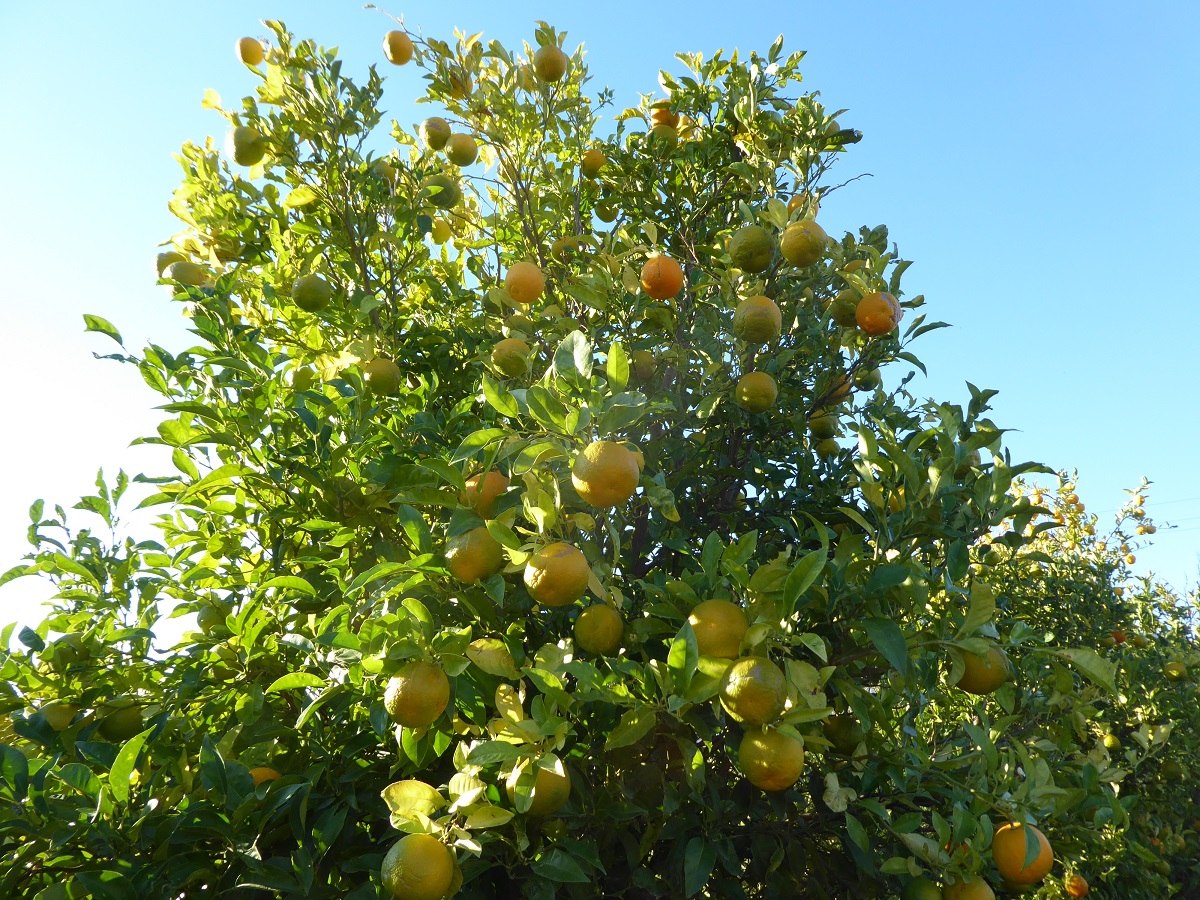
Winter is citrus season here at the Cape. I have 3 naartjie (clementine) trees but also had the fruit stolen. The Seville oranges and the orange coloured lemon have not been raided though. The Seville oranges are not quite ripe enough yet for making marmalade. I am hoping to make some limoncello if I can harvest enough lemons from my unique orange coloured lemon. This variety is very like the Cape rough lemon but the fruits are orange when they ripen. I was lucky enough to be given a small tree of this plant from a garden in the Grabouw district where I admired it at an Open Garden many years ago. The Tahiti limes which have been ripening all summer are still providing fruits. This is a great tree for the home garden as it produces small limes for months, especially in summer when lemons are difficult to find.
Medlars and custard apples
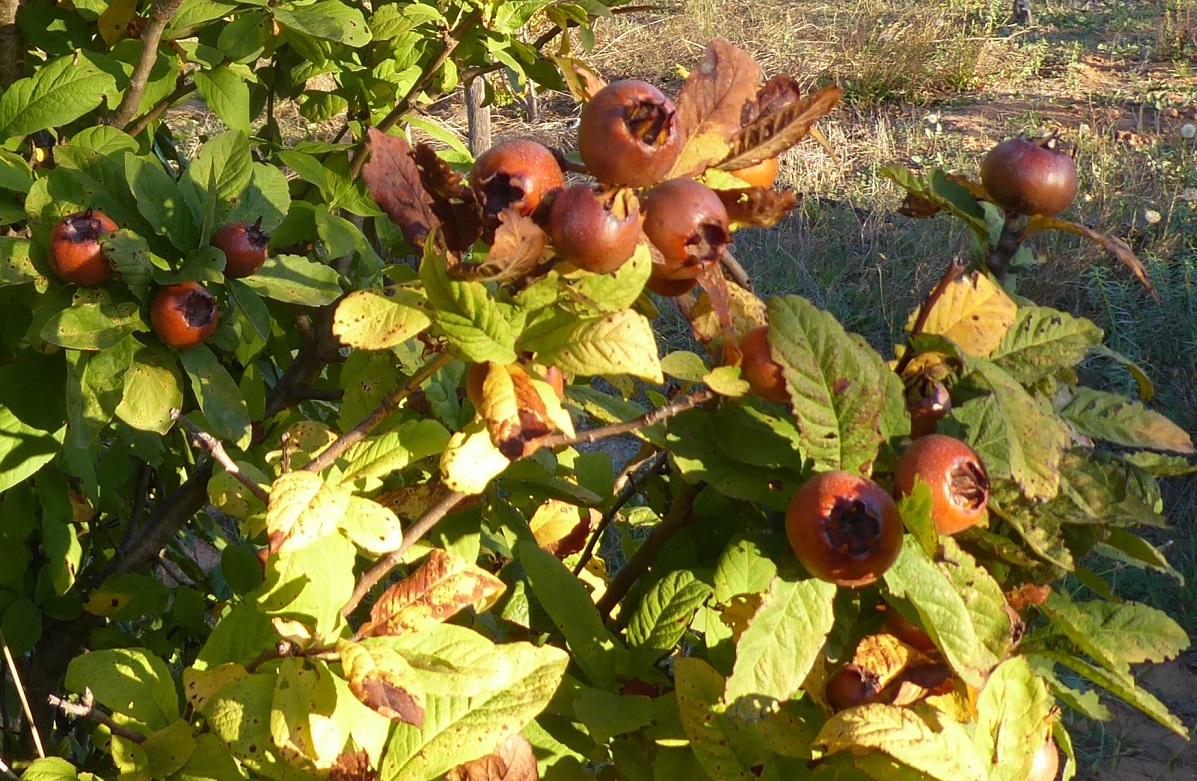
The medlar is an old fashioned fruit related to apple. It is not uncommon on old Cape farms. My plant is a compact bush with lovely big white flowers in spring and the leaves turn yellow and a lovely russet red in autumn. The small brown fruits need to be “bletted”, left to become soft, before they are eaten and then they have a strange taste, a little like port wine. They are an acquired taste.
I use almost all the harvest to make chutney from a recipe for apple and medlar chutney which I downloaded off the internet, but which I think originally came from Hugh Fearnley – Wittingstall. I use no apples, just medlars. A vegetarian friend says it is cheers up lentils no end, but it is quite a hassle to make. The medlars need to be boiled first and then put through a sieve to remove the seeds and bits of skin. Finally the thick mix with the spices needs to be cooked and stirred to prevent it catching on the bottom of the pot. Like an evil beast it spits boiling splatters all over the kitchens and woe betide if they land on you. I have two bad burns to pay for the 14 bottles stowed away for the year ahead.
This is not perfect custard apple country. They are semi tropical fruits, but are so delicious that we couldn’t resist trying them. We have two bushes. They have strange little green flowers and I try to cross pollinate, but we still only get a few fruit which take all summer to ripen. They are a real treat now in autumn and one has to watch carefully as they do not change colour as they ripen, they just fall off the bush.
Harbingers of spring
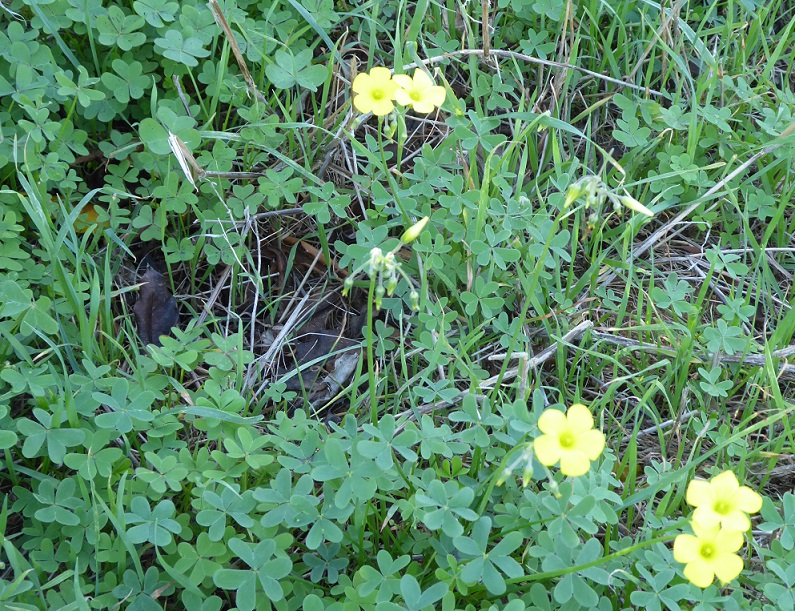
It is strange to be talking of spring while we are still in autumn, but here at the Cape the flower season starts now in autumn and traditionally May was always the month when oxalis made a showing. There are about 600 species of these at the Cape. Sadly with global warming and the lack of autumn rain, the flowering season of these little bulbs has been pushed back, but the ubiquitous Oxalis pes caprae which covers KSU in winter has started flowering. These are regarded as weeds in many parts of the world, but here I accept them as part of tapestry of winter and enjoy their cheerful yellow flowers. Locally known as suurings, they are sometimes used to add tartness to stews and bredies.
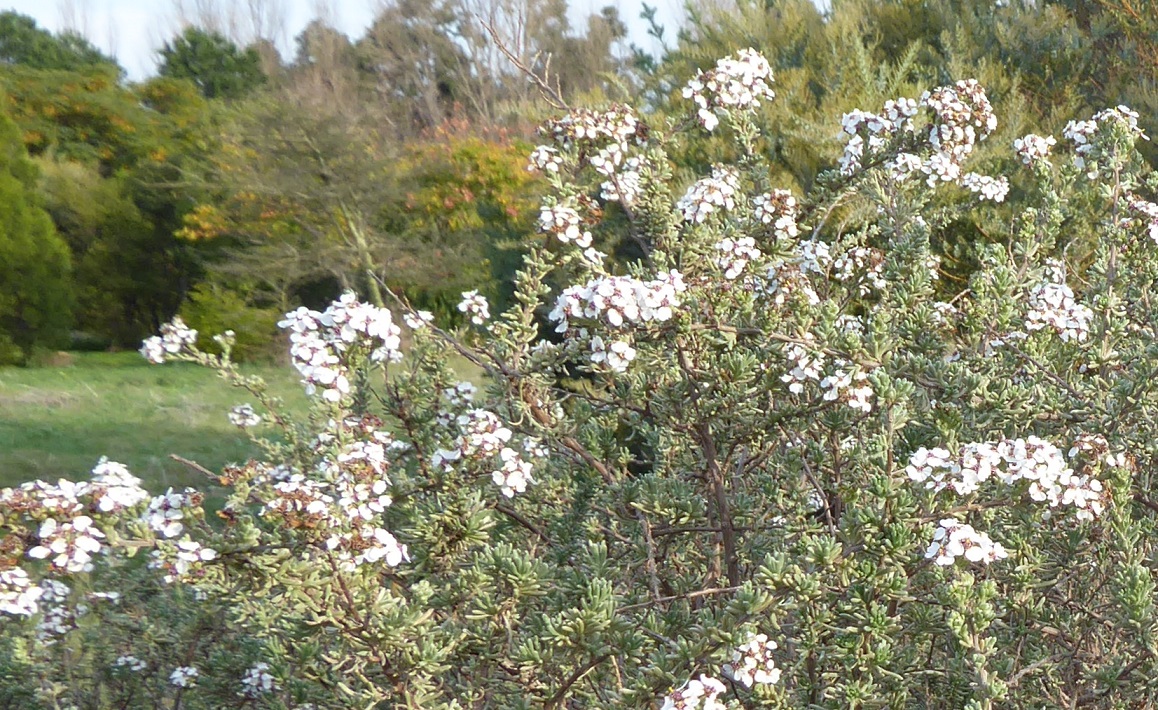
The wild rosemary (Eriocephalus africanus) has also started flowering. These tough shrubs with their small grey green leaves need no water in summer. Their heads of little white flowers are fresh and cheerful and will be followed by woolly seedheads.
The true rosemary is also flowering now. I have a lovely deep blue variety and have just acquired a bush with pink flowers.
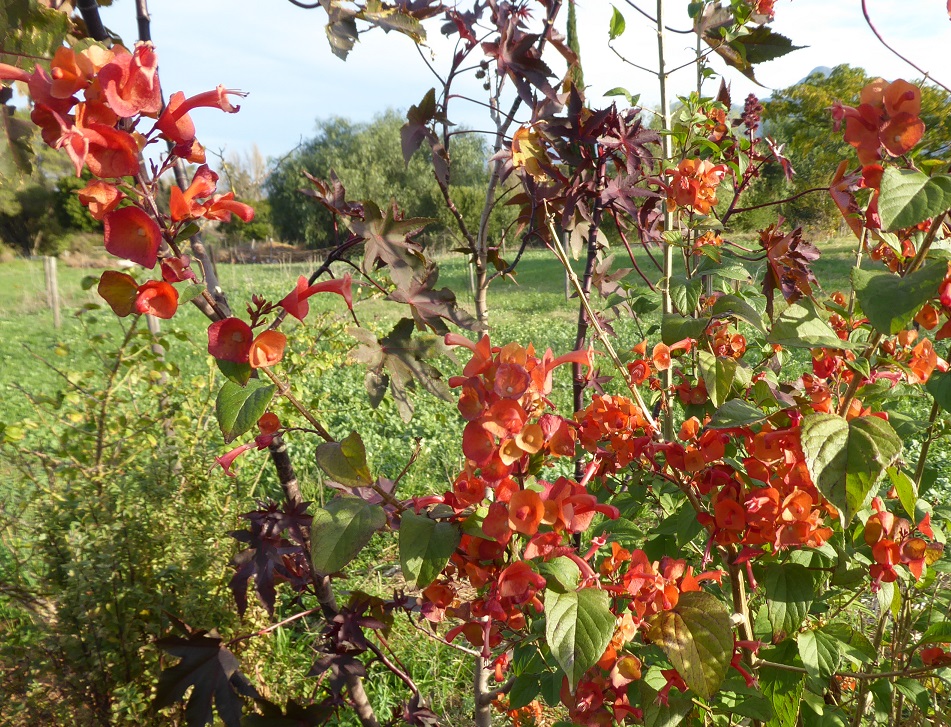
Another star of autumn is the orange holmskioldia or Chinese hat bush from the Himalayas (Holmskioldia sanguinea) which looks lovely when viewed against the sun. It grows near a purple castor oil bush and the two colours look good together.
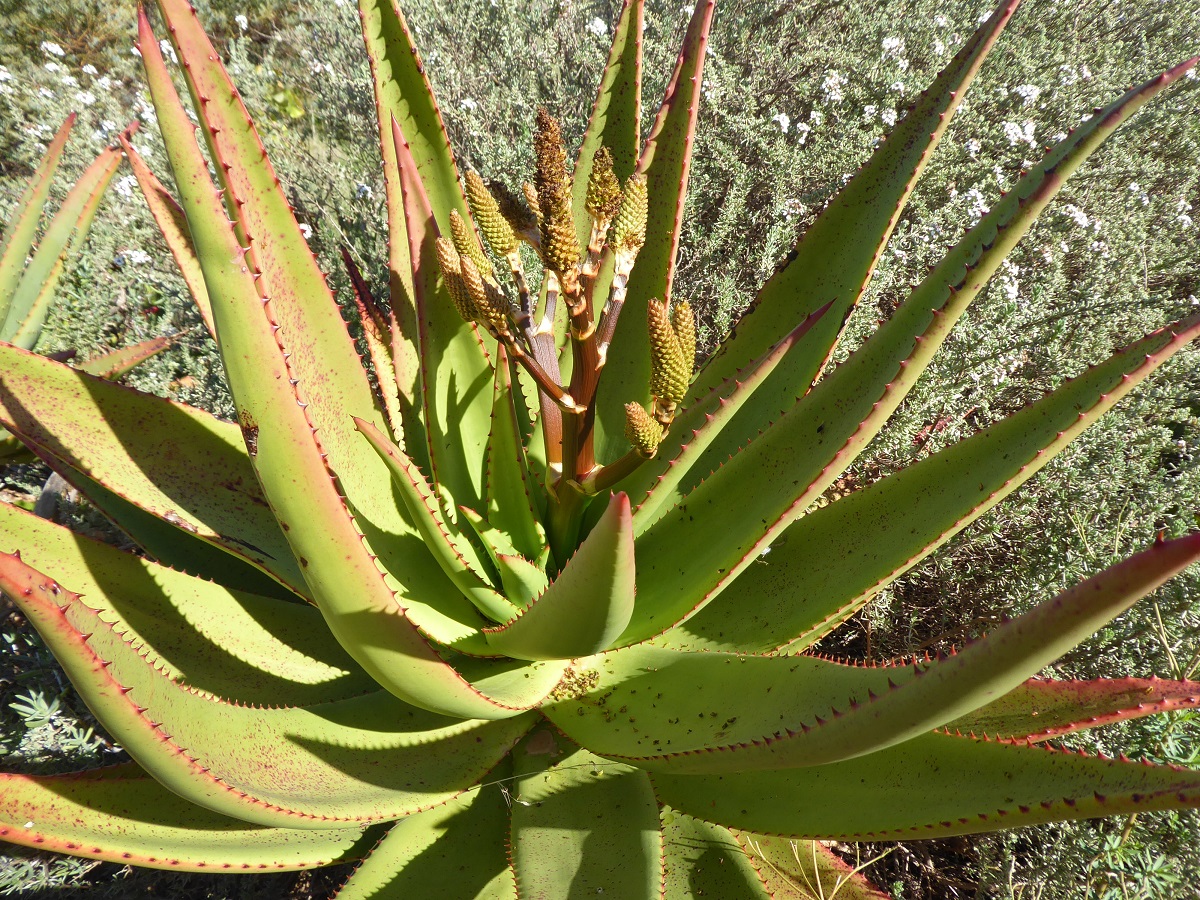
In a normal year I would be looking forward to the aloes flowering now in winter, but I have been horrified to find that all the aloe buds have been eaten by something. I am not sure if it has been hungry birds or some strange mites which have devastated all the flowering stems leaving them blackened and barren. Only one clump on the boundary seems to have escaped.
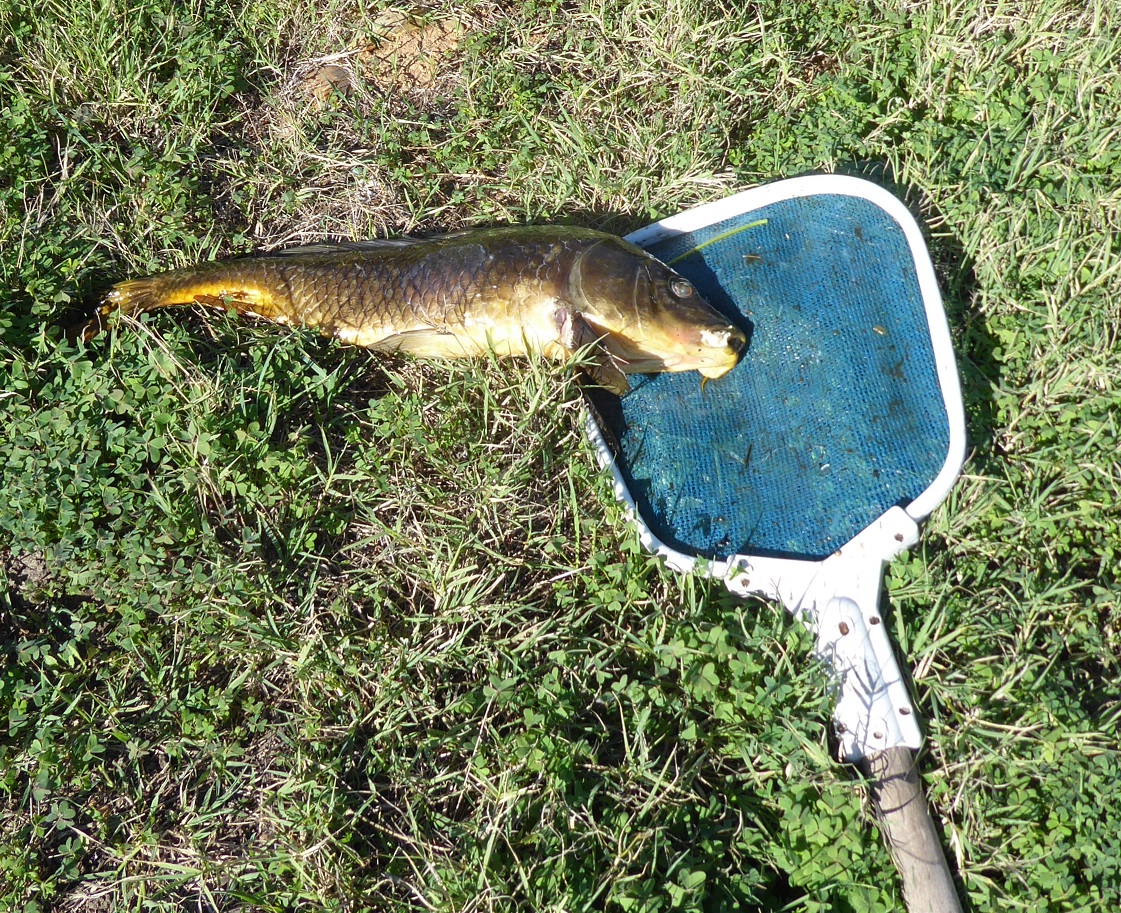
To compound the sadness of the month, I found one of the big carp in the pond floating on top of the waterlilies. We acquired 2 carp several years ago to live in the pit which holds the garden irrigation water. In spring we moved them to the lily pond as the pit had to be replastered. They survived the hot summer days and I am not sure why one has died now. Perhaps the waterlily leaves dying back at the end of the season have depleted the oxygen in the water. It am not sure how we will catch the other one to return it to the deeper pit.
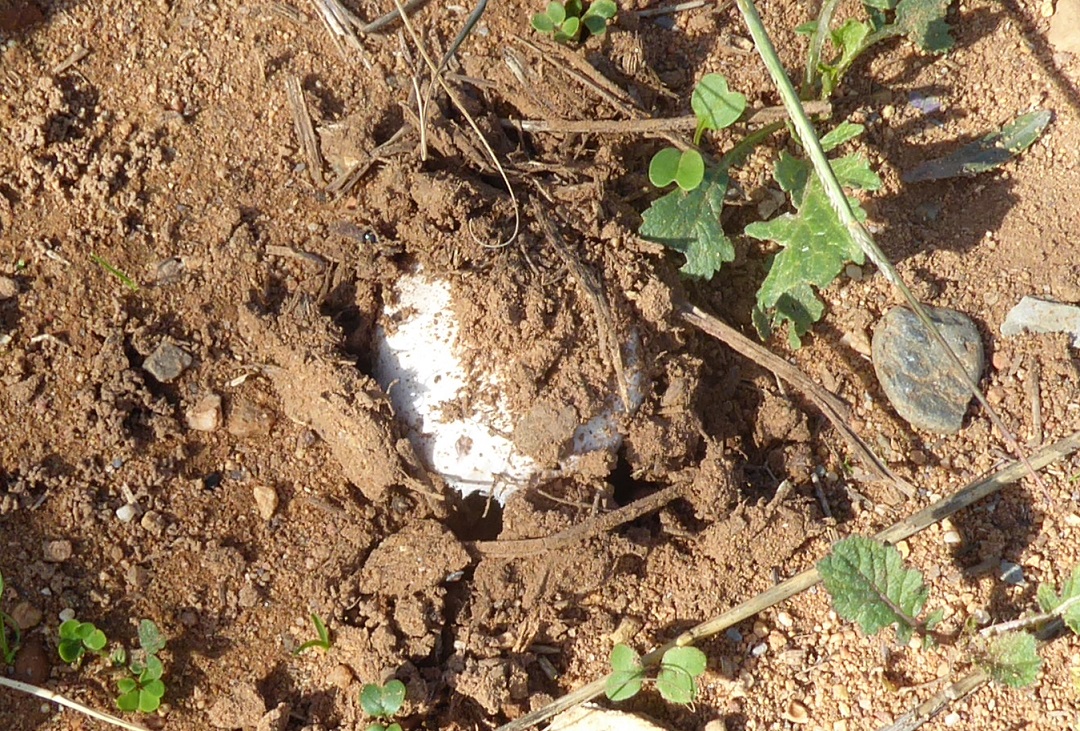
The month ended on a high note though; the rain at the end of May triggered one of the delights of autumn, field mushrooms. These pop up across the farm and there is nothing like a plate of them simply fried in butter. A yummy way to end May, which when I look at a collection of the harvest wasn’t so bad after all.
KSU May 2019 Gallery